The post Royal Yacht Britannia appeared first on Stay In Britain.
]]>
© All photos courtesy of Paul Hudson / CC BY
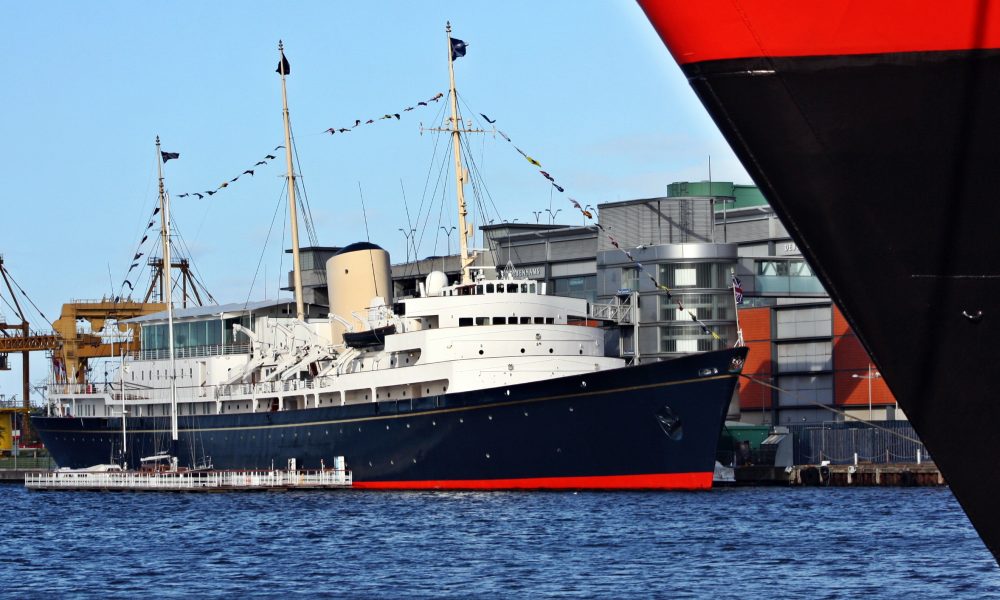
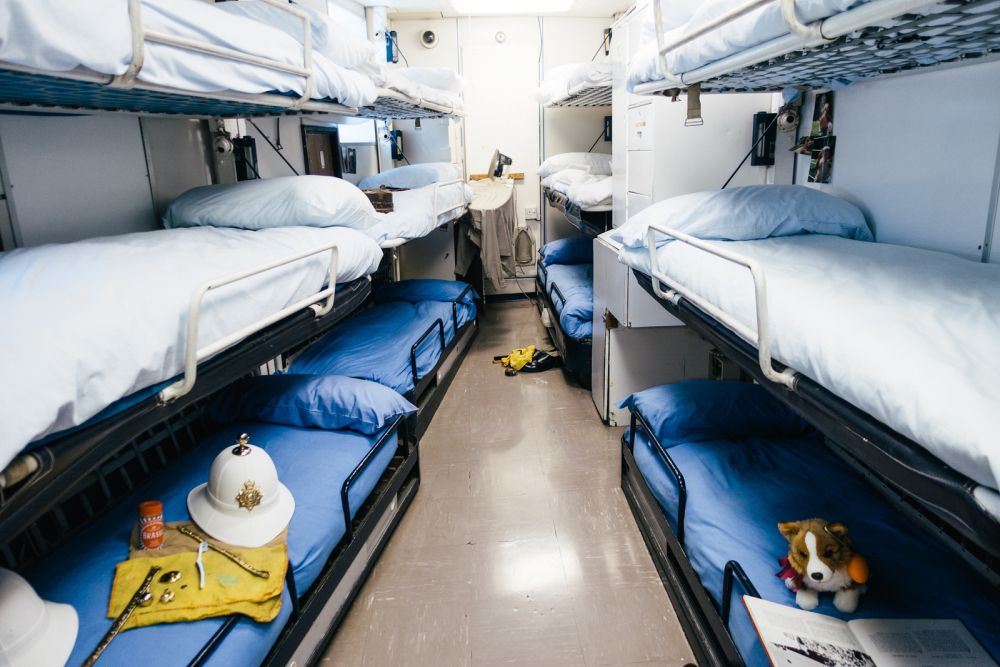
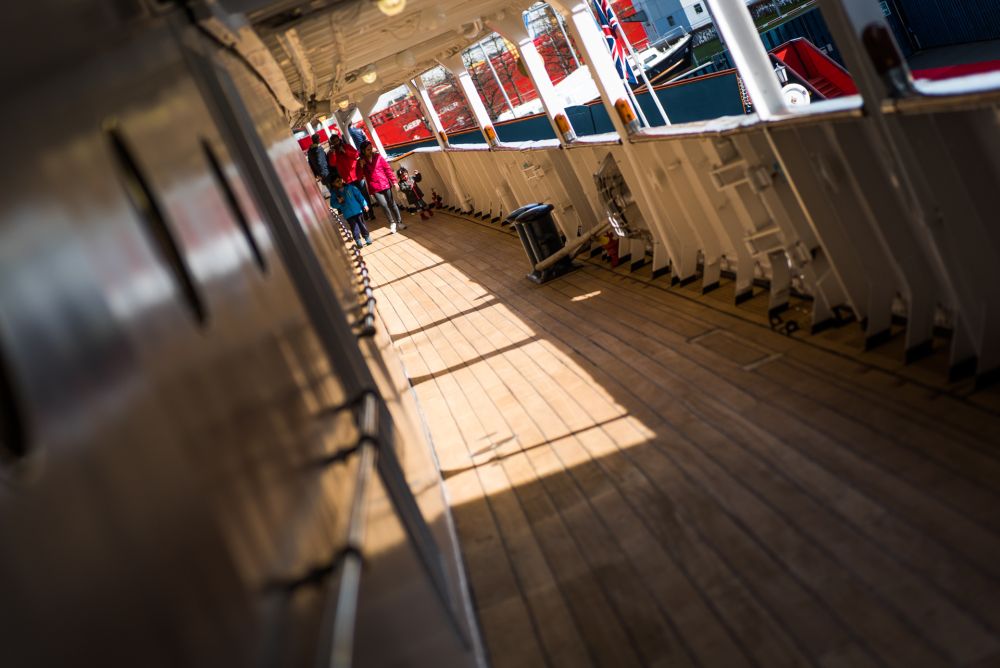
The Royal Yacht as she was known, was the last in a long line of yachts designed and built for the British monarch. Her Majesty’s Yacht Britannia, also known as the Royal Yacht Britannia, was the 83rd such vessel since King Charles II acceded the English throne in 1660.
Retired from Royal service in 1997 as a cost cutting measure by the incoming Labour Government, Britannia is now permanently moored in Edinburgh (Scotland) as a museum ship.
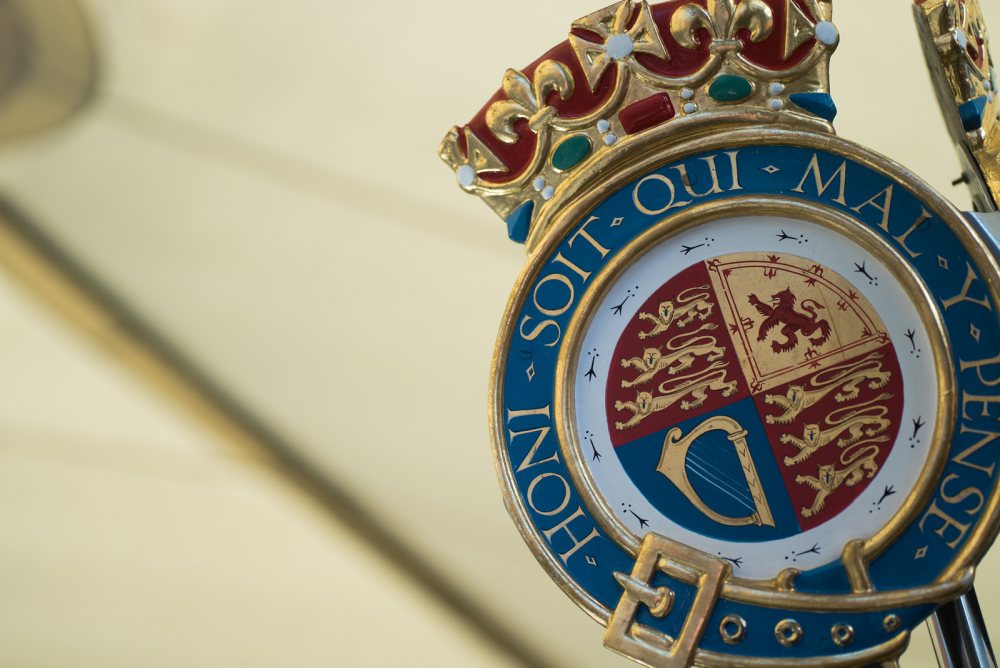 Remarkably, over 300,000 people visit the ship every year. To protect her future as a national treasure, Britannia is now listed as part of the newly established National Historic Fleet.
The Royal Yacht Britannia is classed as a ‘must see’ visitor attraction in Edinburgh. This famous ship has been ranked consistently TripAdvisors UK Top Ten for the last 5 years and has been voted Scotland’s best visitor attraction by VisitScotland, for twelve years!
Interesting Facts
 Launched in 1953, Britannia measures 412 feet in length (126 metres)
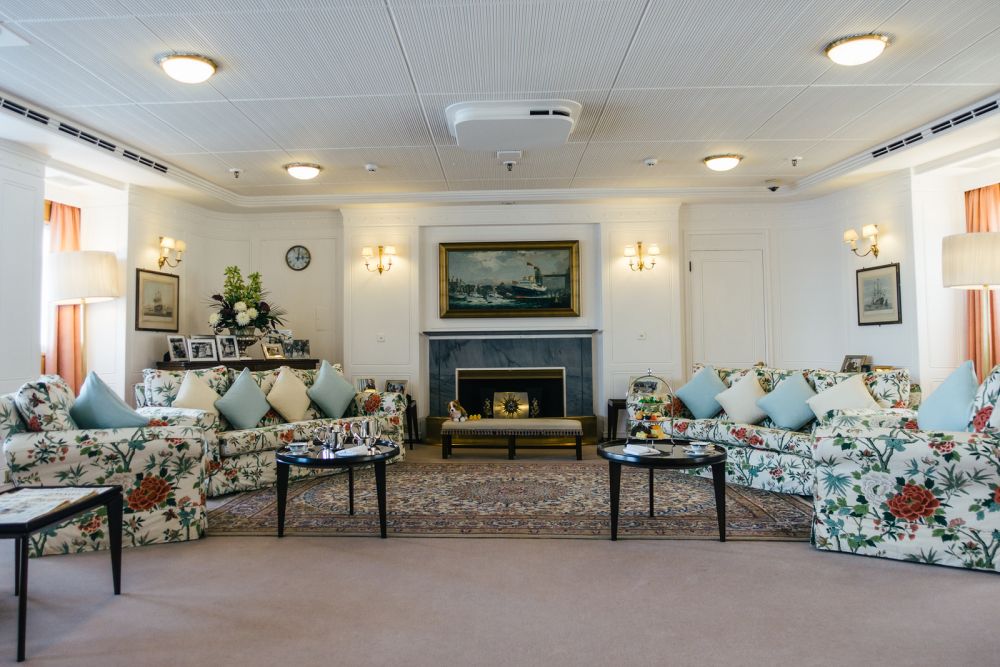
- Classed as a Royal Residence, the Queen and the Royal Family used the yacht regularly for 40 years
- Britannia sailed over 1,000,000 nautical miles during her time at sea
- Famous people who have been entertained on the yacht, include Sir Winston Churchill, Nelson Mandela and Rajiv Gandhi
 Weighing in at 5,768 tonnes, Britannia is similar in size to a modern day Royal Navy ‘Type 23’ frigate
- Britannia had a crew of 21 officers and 250 ‘yachtsmen’ all from within the Royal Navy
- One platoon of Royal Marines protected the Royal Family whenever they were on-board
Pricing
This is a very popular attraction so we advise you to book well in advance. Book online at or call +44(0)131 555 5566.
- Adults: £16.00
- Senior (60+): £14.00
- Students (with ID): £14.00
- Children (5-17): £8.50
- Family (2 adults, 3 children): £45.00
Stay In Britain Tips
Parking is free when visiting the Royal Yacht so you don’t have to worry about having some loose change / cash to hand. Few people realise that a free audio handset tour is available in 30 different languages and also for children. English braille scripts and sign language tours via tablet are also available. Be sure to ask about these excellent free services when buying your tickets!
The post Royal Yacht Britannia appeared first on Stay In Britain.
]]>The post London Eye appeared first on Stay In Britain.
]]>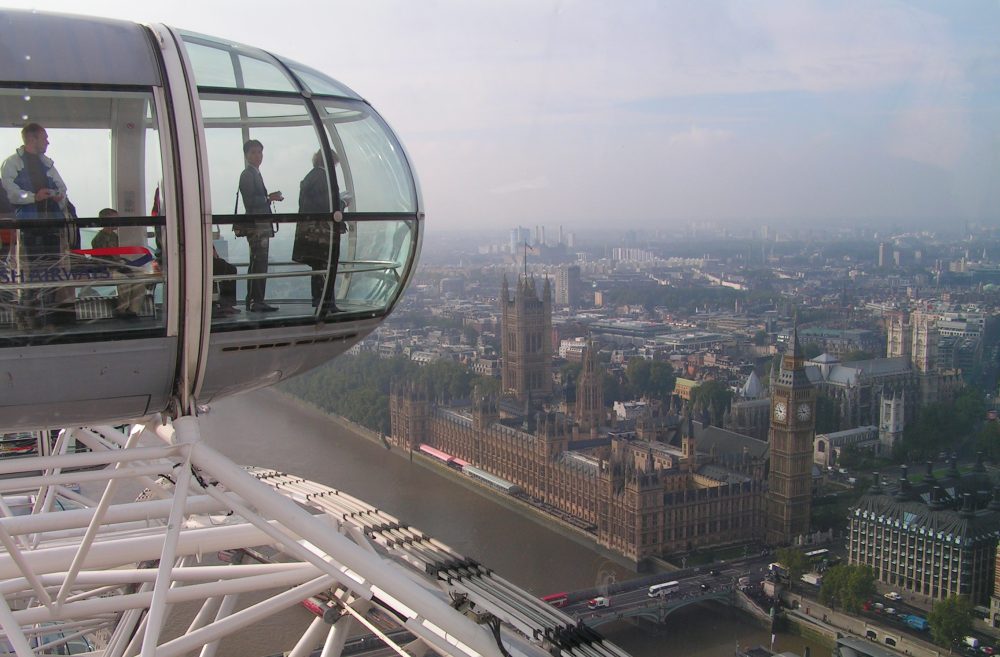
Since its opening, the London Eye has become one of London’s most iconic landmarks. It is the focal point for London’s New Year’s Eve celebrations and it has become one of London’s must see attractions.
When it was opened in the year 2000, the London Eye was the world’s tallest Ferris wheel being 135 metres (443 feet) tall. The London Eye is now the most visited paid for attraction in Britain with some 3.75 million visitors in 2014.
Incredibly, ‘The Eye’ was originally intended as a temporary structure to celebrate the year 2000. Originally called the Millennium Wheel, the wheel was scheduled to be dismantled and moved after five years. The Eye’s immense popularity caused the owners to rethink their earlier plans however!
Originally part owned (33%) and sponsored by British Airways, the London Eye is now sponsored by Coca-Cola. The London Eye is owned by Tussauds, now part of Merlin Entertainments, the world’s largest leisure group after Disney.
Interesting Facts
- The London Eye cost over £70 million to build
- There are 32 air-conditioned pods or capsules on the wheel
- Each pod weighs 10 tonnes and can carry 25 people
- At capacity, the wheel can carry up to 800 people at any one time
- The wheel rotates at 26cm per second meaning that one complete rotation takes 30 minutes
What landmarks can you see?
Over your 30 minute journey around the circumference of the wheel, you will see most of London’s famous landmarks. These include the Houses of Parliament, Big Ben, Westminster Abbey, The Shard, Buckingham Palace, The Tower of London, HMS Belfast, The Tower Bridge and St. Paul’s Cathedral.
Pricing
Standard tickets cost £27 for an adult and £22 for a child if bought on the day. To bypass the queues, consider buying a Fast Track ticket which provides access via a dedicated entrance. Fast track ticket prices are £37 and £32 for adults and children respectively if bought upon arrival however.
Stay In Britain ‘Top Tips’
If you are planning to the London Eye, it makes sense to book ahead to combat the attraction’s immense popularity but also to secure better prices. You can secure a handy 10% discount by simply booking online. Similarly, if you have a group of 10 or more people, you can secure even more discount (15%) and pick a departure time of your choice. Group bookings also permit entry into the 4D cinema experience as well.
The post London Eye appeared first on Stay In Britain.
]]>The post Roman Baths (Bath) appeared first on Stay In Britain.
]]>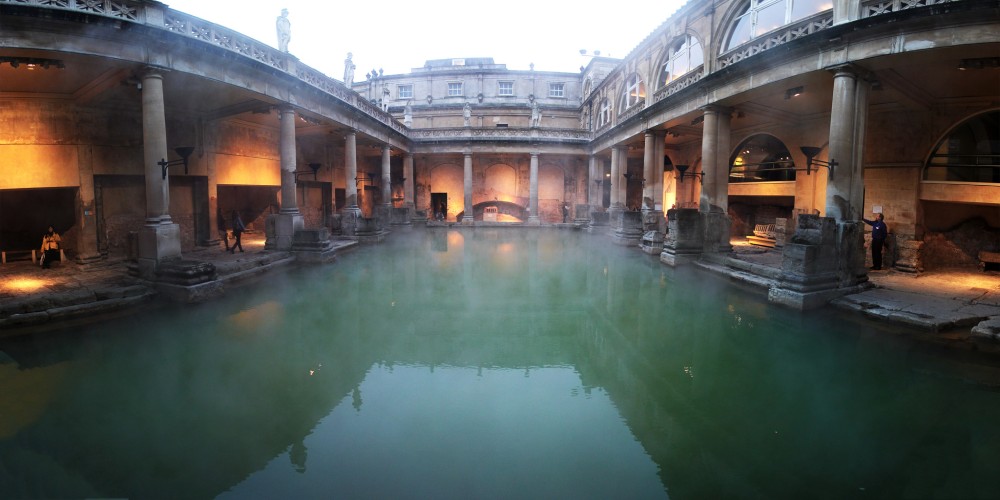 The Roman Baths by Steven Brace / CC BY
Overview
People have been bathing in the geo-thermal spring waters in the town that is now called Bath for thousands of years. Although the precise date is unknown, it is thought that the Celts first started bathing in the UK’s only warm water springs as early as 800 BC.
After the Romans invaded Britain, they quickly set about building a temple and bathing complex. Starting in approximately 60 AD, the Romans gradually built up the baths over the next 300 years. The Roman Baths are one of the best preserved Roman sites in Britain.
Main Attractions
- Roman Baths Museum: There are four main features: the Sacred Spring, the Roman Temple, the Roman Bath House and the Museum. The Baths and Pump Room are a major tourist attraction and receive more than one million visitors a year
- The Cross Bath: An intimate open-air thermal bath for up to ten people. Built in 1789 by Thomas Baldwin, the baths are built on the Celt’s ancient baths in honour of their goddess Sul
- New Royal Bath: Described as a “fusion of glass, stone, light and water”, the baths were opened in 2006. Relax in two spectacular baths (one indoor and one rooftop outdoor pool), fed by naturally warm, mineral-rich waters
“The thermal water in all baths is heated to the optimum bathing temperature of 33.5°C.”
Pricing
A 90 minute sessesion in the Cross Bath start at £18 per person. By comparison the cheapest spa session at the New Royal Baths will cost £36 for a 120 minute visit. Entrance into the Roman Baths costs from £16.50 per adult. Please note, you cannot enter the waters in the Roman Baths; it is a museum only.
Stay In Britain Tips
If you are planning to take a dip in one of Bath’s thermal pools, you should note that spa sessions in the New Royal Bath cannot be booked in advance unless you have 8 or more people in your group. The same rules apply for the Cross Bath where you will need 6 or more people in your group to book in advance. Because the queues can be quite large, it makes sense to visit when you have a group of people as it will significantly speed up your entrance!
For more information, visit https://www.thermaebathspa.com/
The post Roman Baths (Bath) appeared first on Stay In Britain.
]]>The post Portsmouth Historic Dockyard appeared first on Stay In Britain.
]]>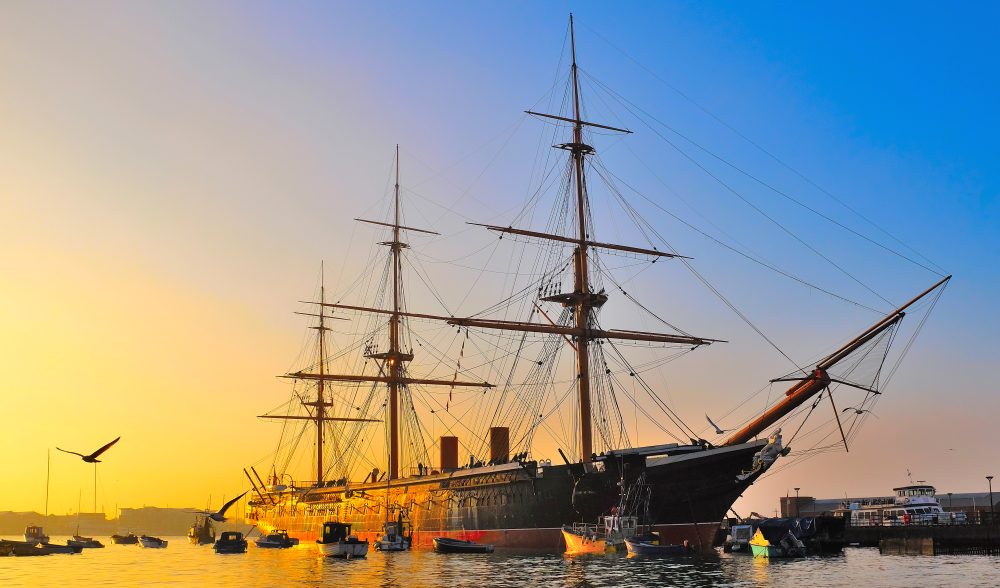 HMS Warrior by Max Speed / CC BY
Overview
Her Majesty’s Naval Base, Portsmouth (HMNB Portsmouth) is one of the most famous naval bases in the world. It is also home to the world’s oldest serving dry dock which dates back to 1495 after being commission by King Henry V11. This dry dock now holds the oldes commission warship in the world, Lord Nelson’s flagship from the Battle of Trafalgar in 1805 (HMS Victory).
Portsmouth Historic Dockyard sits on a piece of land adjacent to the Royal Navy’s working dockyard. The Portsmouth Historic Dockyard which occupies the South-West corner of the main Royal Naval dockyard under a 99-year lease. HMNB Portsmouth is the primary base of two thirds of the Royal Navy’s surface fleet and the home to the UK’s latest aircraft carriers.
Main Attractions
- HMS Victory: Nelson’s flagship during the Battle of Trafalgar in 1805. Laid down in 1759 and launched in 1765, HMS Victory is a 104 gun first-rate ship of the line
- HMS Warrior: HMS Warrior was the largest and most powerful fighting ship of her time. Launched in 1860, she never fired a shot in anger
- Mary Rose: Launched in 1511, the Mary Rose was a warship of the English Tudor Navy. She whilst leading an attack on a French invasion fleet in 1545. She was raised from the sea bed in 1982
- HMS M33: Built as a gun platform to bombard shore defences in 1915, HMS M33 is the last surviving warship from the Gallipoli campaign
Pricing
Basic entry into the dockyard enables access to the National Museum of the Royal Navy. The standard adult price is £18 and £12 for a child (5-15 years). A family ticket (2 adults and 4 children would cost £49.60. However, given an extra charge would apply for entry to each of the ships listed above ranging from £7 to £18 per person, it is often cheaper to buy an annual ticket giving you access to all attractions for an entire year (see below).
Stay In Britain Tips
Buy an annual pass for the dockyard for £28 per adult and £12 for a child (5-15 years). Annual family tickets (2 adults and 3 children) are available for £64. Given that basic entry into the dockyard and access to one main attraction like HMS Victory would cost £36 for one adult for one day, an annual pass at £28 represents by far the best value.
The excellent Gunwharf Quays shopping centre is a short walk from the Historic Dockyard. Parking is more plentiful in Gunwharf and you can finish your day off with a nice meal at one of the Wharf’s many restaurants. Don’t forget that the Gosport ferry leaves ‘The Hard’ (opposite HMS Warrior) enabling easy access to the Royal Navy Submarine Museum and HMS Alliance.
The post Portsmouth Historic Dockyard appeared first on Stay In Britain.
]]>The post Osborne House appeared first on Stay In Britain.
]]>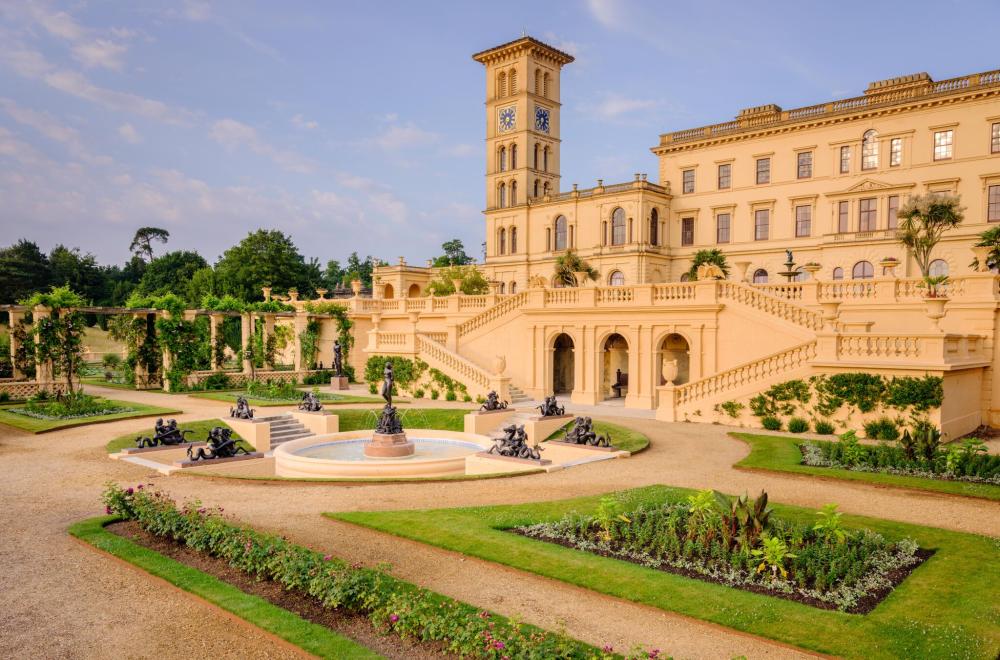 © All images courtesy of Osbourne House
Osbourne House is one of the most famous former Royal Palaces in the British Isles. Built over six years and opened in 1851, Osbourne House was a summer house and rural retreat for Queen Victoria and Prince Albert. Built in the style of an Italian Renaissance palazzo, Prince Albert designed the house himself.
Queen Victoria once famously said of Osborne House “It is impossible to imagine a prettier spot”. And from the terraces of the house which afford stunning views across the Solent, it is easy to share Queen Victoria’s perspective. It is said that the same views reminded Price Albert of the Bay of Naples.
After Prince Albert’s sudden death in late 1861, Queen Victoria sought solace at Osbourne House and visited regularly for the rest of her life. She later died here in January 1901. Although Queen Victoria adored Osbourne House, her wider family were less keen on it. Consequently, it was donated to the state with a few rooms being retained as a private museum in memory of Prince Albert and Queen Victoria.
From 1903 to 1921, Osbourne House became a Junior Office Training College for the Royal Navy. It also became a retirement and convalescence home for members of the armed forces. In 1954, Queen Elizabeth II gave permission for Queen Victoria’s private rooms to be opened to the public in the form a museum.
You can now visit Queen Victoria’s palatial holiday home and see the royal apartments in all their glory. You can also visit ‘Swiss Cottage’ which is a full scale alpine chalet which was built as a play cottage for the royal children.
Interesting Facts
- Roughly a quarter of a million people visit Osbourne House every year
- Osbourne House was built by Thomas Cubitt, the London architect who also designed the main façade of Buckingham Palace in 1847
- Queen Victoria’s private beach, including her personal bathing machine, was opened to the public for the first time in 2012
- Stay overnight in the grounds of Osbourne House at the newly converted cricket pavilion which now serves as private overnight accommodation
Pricing
Entrance prices vary depending on the time of year, being more expensive in summer. Prices start at £12 for an adult and £7.20 for a child. Please check the English Heritage website for the latest prices.
Stay In Britain Tips
In the winter months, Osbourne House is often closed on Mondays and Tuesdays. Check online or call +44 (0)1983 200 022 before planning your visit to avoid disappointment.
Getting to the Isle of Wight can be expensive. If possible we advise you not to take a car across to the island and travel across on the ferry as foot passengers. There are two ferry operators that operate services from the mainland across to the island (Red Funnel and Wightlink). Public transport links on the island are extremely good.
The post Osborne House appeared first on Stay In Britain.
]]>The post Big Pit (Blaenafon) appeared first on Stay In Britain.
]]>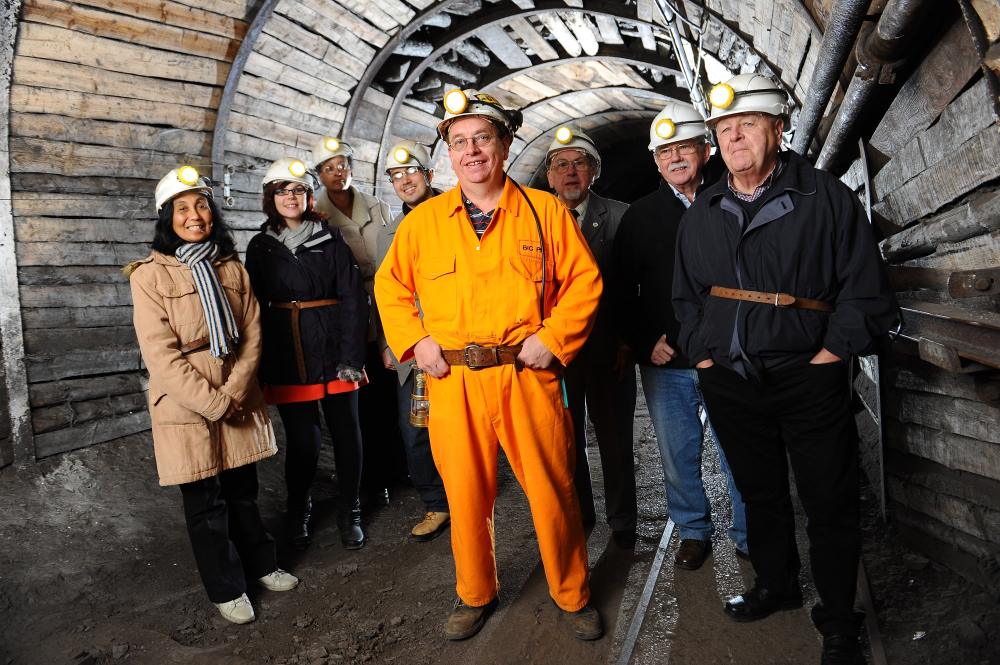 © All images courtesy of Big Pit and National Museum Wales
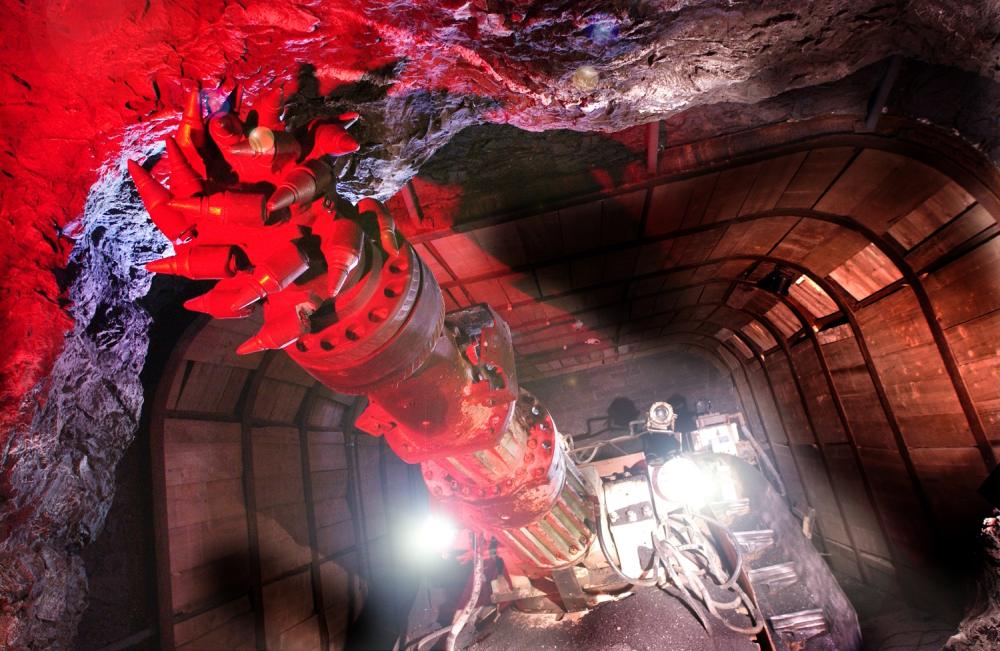
The evocatively named ‘Big Pit’ museum is designed to take visitors back in time and let them experience the sounds, sights and smells of a working coal mine during the industrial revolution. Big Pit is dedicated to operational preservation of Wales’ coal mining heritage.
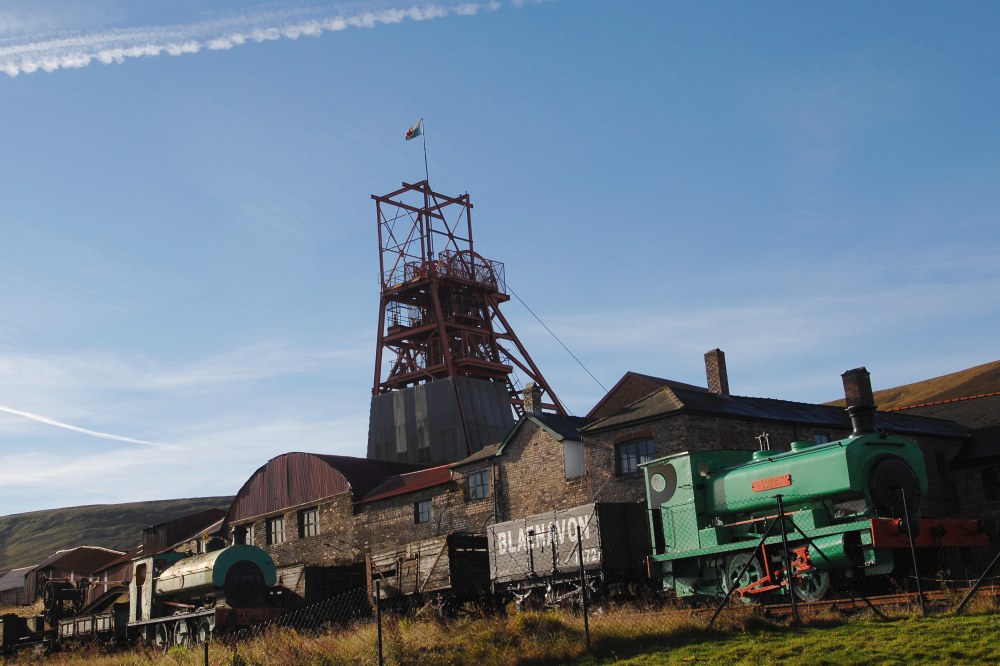 Operational for nearly 200 years to 1980, Big Pit was the most important of all the collieries located in Blaenavon and the South Wales Coalfield.
With funding from the Welsh Tourist Board and the European Regional Development Fund, the museum first opened to the public in 1983 and has been steadily improved ever since.
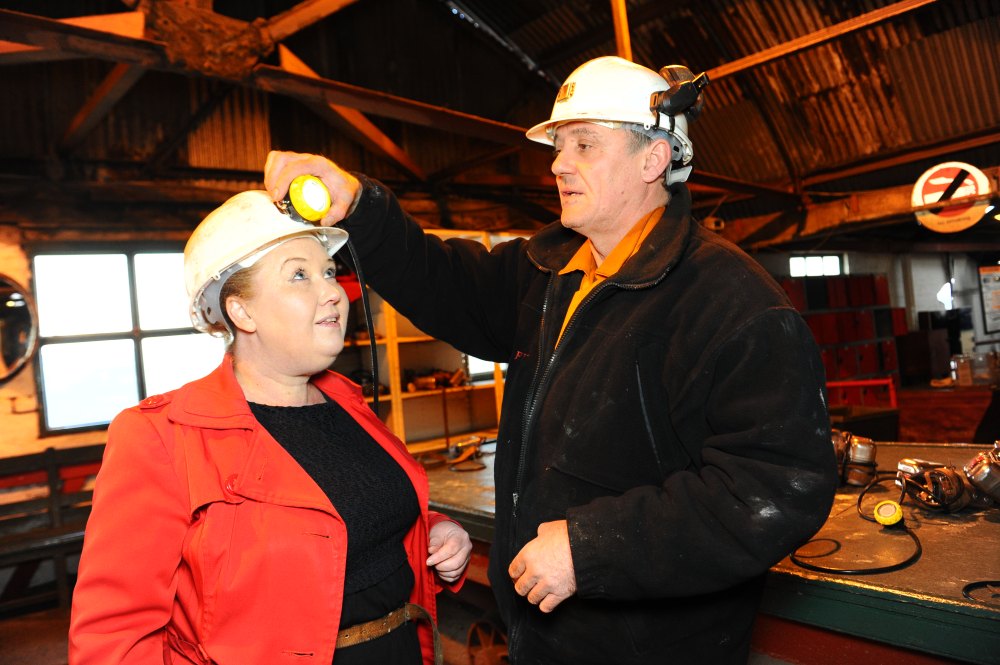 The highlight of any visit will be the hour-long underground tour. Led by ex-miners, you will descend 300 feet (90 metres) underground and see what life was like for the thousands of men and pit-ponies who lived and worked underground.
When back on the surface, visitors can explore the other colliery buildings including the winding engine-house, the blacksmiths’ workshop and the pithead baths where the miners washed after their shift.
Interesting Facts
- At one point the mine employed 1,300 miners
- Children as young as ten once working in the mine by candlelight
- In 1913 there were 70,000 pit ponies working underground in Britain
- After coal mining at Big Pit became unprofitable, it was sold for just £1 in 1980
- Over 150,000 people visit the mine every year
- In 2005, Big Pit won the UK’s prestigious ‘Museum of the Year’ award
Safety
 Still classed as a working mine, Big Pit has to meet all current regulations supplied by Her Majesty’s Inspectorate of Mines. All visitors who opt for the underground tour must wear a safety helpmet and wear helmet lamp and battery pack (weighing 5Kg) on the belt that is provided. Everyone must also carry a ‘rebreather’ on the same belt to filter our foul air in the case of an emergency. This will provide approximately one hour of air, allowing enough time to escape the mine in an emergency.
Pricing
The Big Pit National Coal Museum is a free attraction. Consequently, there are no admission charges! Although the entrance price is free, there is a £3 charge for car parking. All donations to the museum are very welcome.
Stay In Britain Tips
It can get very cold underground so please ensure you bring extra layers of clothing to keep you warm. Sturdy shoes are also needed as the ground is rough underfoot when you are below the surface.
Please be aware that children need to be 1 metre tall to go on the underground tour. They must also be able to carry their own safety equipment which weighs about 5 kilos. The underground tour is also accessible to wheelchair users but should be arranged in advance.
The post Big Pit (Blaenafon) appeared first on Stay In Britain.
]]>The post Honister (Lake District) appeared first on Stay In Britain.
]]> © All images courtesy of Honister
The Honister Pass is famous for being one of the most beautiful mountain passes in the English Lake District. The pass is one of the highest in the region and also one of the steepest with gradients of up to 1-in-4 (25%).
At the head of the pass, you will find the Honister Slate Mine where they have been mining slate since 1728. Not only is the mine the last functioning slate mine in England, it is also an extremely popular tourist attraction. In addition to offering underground tours of the mine itself, people are able to experience a range of exhilarating high wire courses both inside and outside.
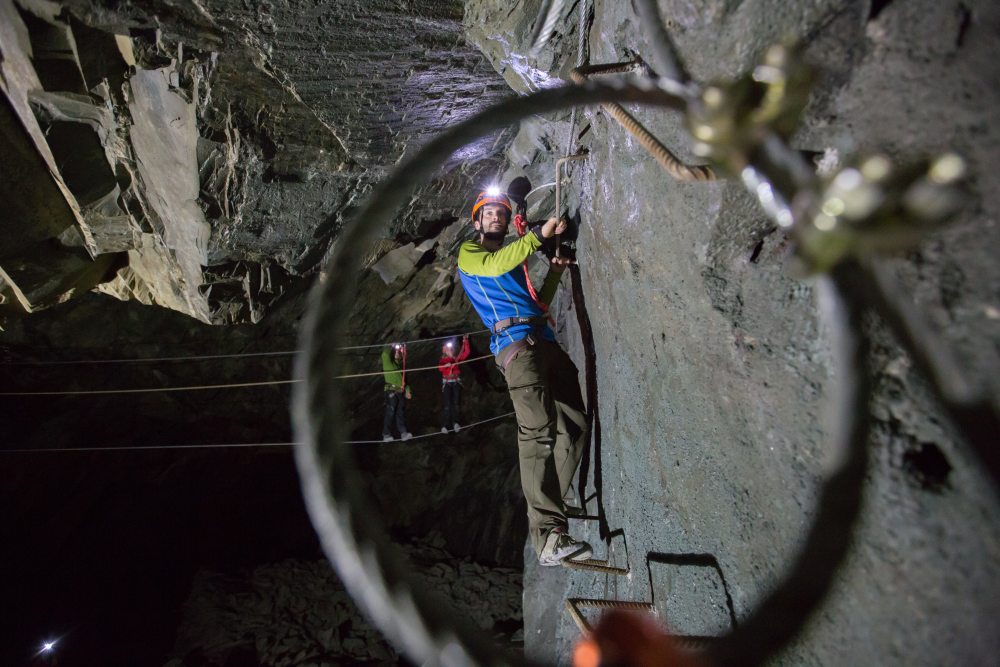
Famoulsy, Honister was the first to build a via ferrata course in the UK. Via ferrata, or Italian for iron path, is a protected climbing route which employs a steel cable for the length of the course. Using a simple harness, climbers can secure themselves with carabiners to the cable, thereby limiting any fall.
The Honister adventure centre was the brainchild of Mark Weir who bought the mine in 1997, reinstating the mining operation on a small scale after the mines had been abandoned in 1989. In addition to the via ferrata courses, Mark intended to build a zip wire from the top of Fleetwith Pike to the mine below.
Tragically, Mark was killed in a helicopter crash during the filming of the 2011 BBC series ‘Tales from the National Park’. However, this inspirational man’s vision lives on. Mark’s ideas have proved to be so popular that Honister was awarded winner of ‘Best Tourism Experience in The Lake District’ by Cumbria Tourism.
Main Attractions
- The Classic: The ‘Classic’ via ferrata is suitable for people over 10 years old and with a minimum height of 130 cm. No previous climbing experience is required and this fully supervised course will take approximately 2.5 hours to complete
- The Extreme: A more extreme via ferrata experience, the ‘Extreme’ includes vertical climbs, cliff edge ladders, a Burma bridge and a Cargo net crossing. Participants need to be reasonably fit and should have some via ferrata experience
- Climb The Mine: This underground via ferrata route passes through an unused section of the old slate mine. Located inside the heart of a Lake District mountain, ‘Climb the Mine’ is the only one of its type in England
- Slate Mine Tour: Perfect for wet weather, the slate mine tour will be the highlight of any visit to Honister Slate Mine
Pricing
Each experience is individually priced. For example the Classic via ferrata course is £40 whilst the Extreme course is usually £45. The mine tours are much cheaper starting at £14 for an adult. Full details of pricing can be found here.
Stay In Britain Tips
Despite Honister’s UK rainfall record, it is actually a great place to visit on a wet day. The underground activities make for a fantastic family day out. Parking is charged at £5 per day and there is an excellent café onsite.
The Honister Visitor Centre is right next door to the YHA Honister youth hostel, offering basic but comfortable accommodation for people wishing to spend more than one day at the centre.
The post Honister (Lake District) appeared first on Stay In Britain.
]]>The post The Eden Project appeared first on Stay In Britain.
]]> All photos by Neil Hooting / CC BY
The multi-award winning Eden Project near St. Austell in Cornwall and is consistently ranked as one of the top visitor attractions in the UK. This inspirational regeneration project sits in a huge man-made crater which was once an industrial clay pit. The mine was in use for over 160 years until the early 1990s.
Aside from the need to re-purpose the site, the Eden Project had a very important objective focused on environmental education. The whole centre is focused on explaining the interdependence of plants and people. The Eden Project aims to educate future generations about the importance of protecting our environment given the wider threats of over population, global warming, crop shortages and diminishing water supplies.
The Biomes
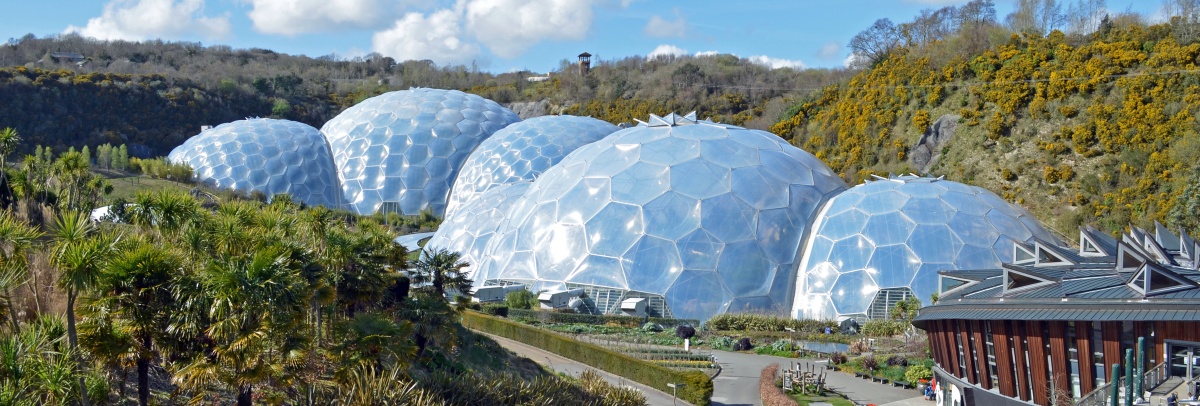
The Eden Project is dominated by two huge enclosures consisting of adjoining domes, each of which are home to thousands of plant species. Each of the two enclosures emulates a natural ‘biome’ (a community of plants and animals that have formed in response to a shared physical climate).
Eden’s biomes consist of hundreds of hexagonal and pentagonal, plastic cells which are supported by a steel sub-frame. Each of the plastic cells are inflated with air to preserve heat and create the optimal climate for plant growth. The larger of the two biomes is designed to simulate a tropical rainforest whereas the second emulates that of a Mediterranean climate.
Interesting Facts
- The Eden project took 2½ years to build
- The attraction opened in March 2001 and cost £140 million to build
- The Tropical biome covers 1.56 hectares and is 55 metres high, 100 metres wide and 200 metres long
- The Mediterranean biome is 0.65 hectares. It is 35 metres tall, 65 metres wide and 135 metres long
- The Eden project is home to thousands of species of plants from coffee plants to rubber trees
- The botanical garden (outside) is home to many plants and wildlife native to Cornwall and the UK
Pricing
Standard tickets cost £27.50 for an adult and £14 for a child (5 to 16) if bought on the day. Children under 5 are admitted for free. Booked in advance however, the entry price drops to £25 for adults and £12.60 for children. Family tickets (booked in advance) cost £64 and are designed for families of two adults and two children.
Stay In Britain ‘Top Tips’
Here at Stay In Britain, we welcome all initiatives which are designed to protect our precious planet. If you cycle, walk or take public transport to Eden, you can get discounted entry. To get your 15% off, just mention ‘Stay In Britain’ and provide a receipt on the day of travel for a valid journey (i.e. Eden for bus tickets; St Austell, Par, Luxulyan or Bugle for train tickets).
Also, be aware that annual passes cost the same as day passes. Consequently, if you think you would like to spend more than one day at this amazing attraction, this will be the best option for you. And be sure to look out for concerts within the complex. All sorts of artists have staged gigs at Eden from Gary Barlow to Massive Attack.
The post The Eden Project appeared first on Stay In Britain.
]]>The post Spinnaker Tower (Portsmouth) appeared first on Stay In Britain.
]]> © Image courtesy of Andrew Samson
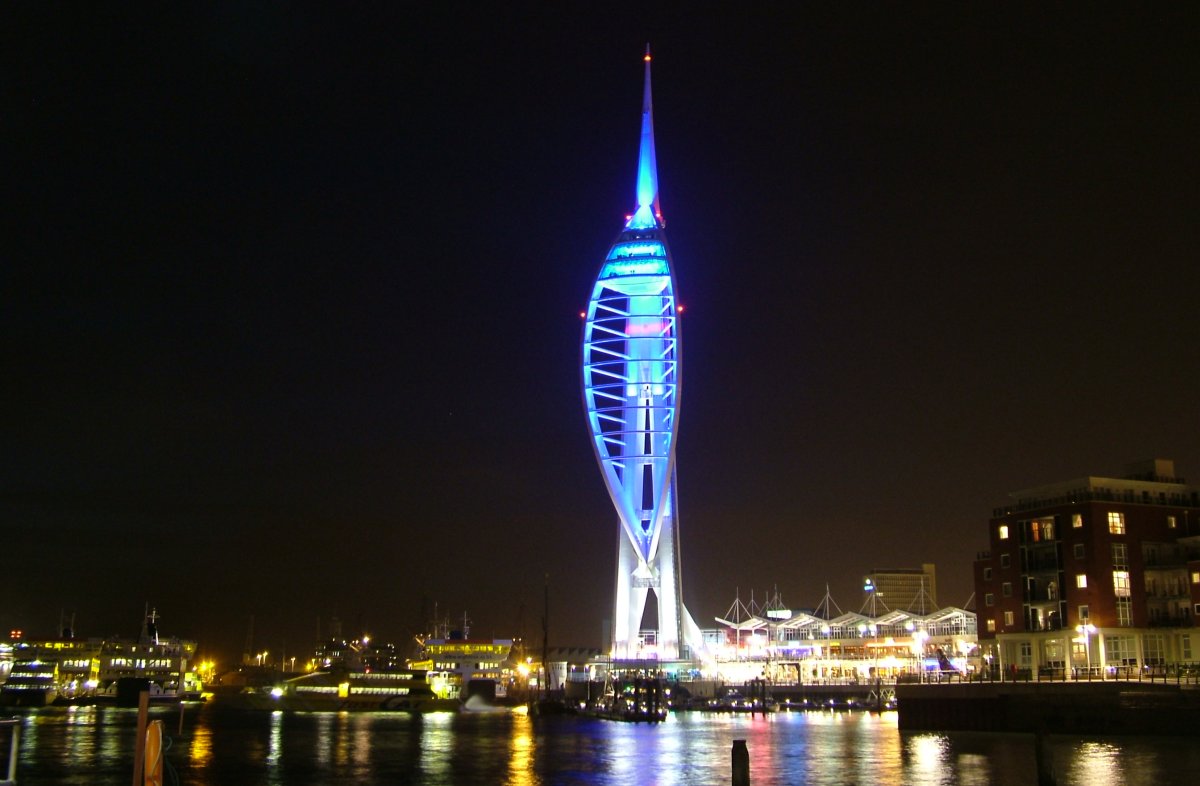
The Spinnaker Tower, named after the shape of a sail to reflect Portsmouth’s maritime history, is the tallest landmark on the South coast of England. At 170 metres tall (560 feet), it is also the 11th tallest building in Britain being slightly shorter than the BT Tower in London at 177m. It is interesting to note that the BT Tower was once the UK’s tallest building.
As an observation tower across the Solent and the Isle of Wight, the tower is the focal point of the award winning Gunwharf Quays development. Aside from the tower itself, visitors can enjoy the 90 designer shopping outlets, 30 restaurants and numerous other entertainment venues including 10-pin bowling and a multi-screen Vue cinema.
The tower has three observation floors. The ‘Sky Deck’ which is the highest of the three observation floors and is completely open to the elements – it has a wire mesh roof and large glass windows which extend above head height. On the first viewing platform, there is a large glass floor which looks down to the floor 100 metres below. Walk across it if you dare!
Given the Tower looks very similar to the famous Burj Al Arab Hotel in the United Arab Emirates (the third highest hotel in the world), it is rather fitting that the Spinnaker Tower has been sponsored by the Emirates airline since 2015. The tower is now called the Emirates Spinnaker Tower.
Interesting Facts
- The Spinnaker Tower was opened in October 2005
- The cost to build the tower ran to £36.3 million!
- The tower is 2.5 times taller than Nelson’s Column in London
- You can see up to 23 miles (37 km) from the top of the tower in any direction
- The glass floor is located on the first viewing deck at 100 metres above sea level!
Pricing
This is a very popular attraction so we advise you to book well in advance. Pre-booking online will also secure a 10% discount. The ‘walk in’ pricing (without the online discount) is as follows:
- Adults: £11.00
- Senior (60+): £9.00
- Students (with ID): £9.00
- Children (5-17): £8.50
- Family (2 adults, 3 children): £30.60
Stay In Britain Tips
Parking in Gunwharf Quays is quite expensive. However, if you combine your visit with a trip to the Vue cinema (also within the complex), you will get a sizeable discount on parking. Just make sure you get your ticket ‘authenticated’ before leaving the cinema.
The post Spinnaker Tower (Portsmouth) appeared first on Stay In Britain.
]]>The post Chester Zoo appeared first on Stay In Britain.
]]> © Image courtesy of freeimages.com
 Chester Zoo is consistently voted by visitors as Britain’s top zoo. This is quite an achievement given the competition from other zoos across the country. It is the UK’s most visited paid-for attraction after the Tower of London!
Opened in 1931 by George Mottershead, Chester Zoo is one of the largest in the UK with a total land holding of approximately 400 acres or 160 hectares. With no support from the government in terms of funding, Chester Zoo became a UK charity early on its life.
So what makes Chester Zoo so special?
From its inception, Chester Zoo was designed without any cage style barriers like the early Victorian zoos. As an alternative to iron bars, Chester Zoo uses grass banks, moats and ditches as the principal boundaries to keep humans and zoo animals separated and therefore safe.
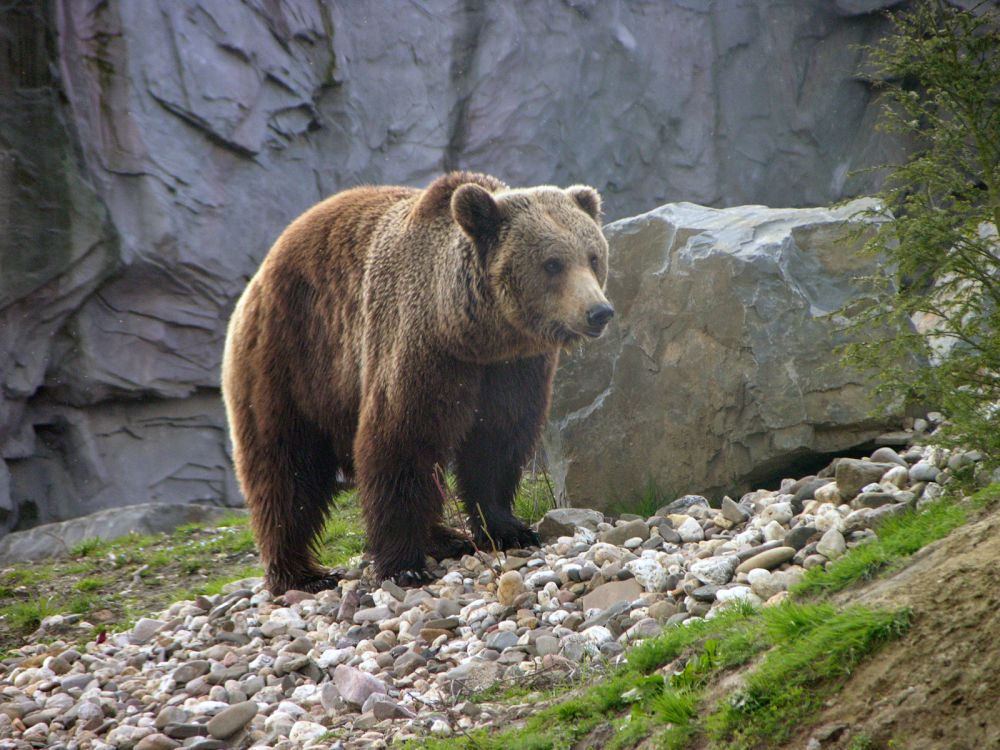
Chester Zoo is also a pioneer when it comes to conservation. Over half the species at the zoo appear on IUCN’s Red List with over 15 classified as ‘threatened’. Over 100 further species are protected as part of a captive breeding programme; these include the Jaguar, the black rhinoceros, the Congo buffalo, the Madagascan tree boa and the amazing Rodrigues flying fox!
Interesting Facts
- Approximately 1.5 million people visit the zoo every year
- The zoo is home to over 500 species of animal
- In total, over 20,000 animals now live at Chester Zoo
- A 1 mile (1.5 Km) elevated monorail connects the main areas of the zoo
- The zoo has been the focus of several UK TV series helping to boost its popularity
The Future
Chester Zoo has ambitious plans for the future. With a forecasted £225 million investment, the zoo’s Natural Vision plan aims to transform Chester Zoo into the largest conservation attraction in Europe. Phase One of the construction project called ‘Islands at Chester Zoo’ was completed in 2017 and extends the zoo’s footprint by creating six island habitats themed on Southeast Asia.
Pricing
Prices vary depending on the day you visit. Adult prices range from £16.36 to £26.00. Child prices range from £13.18 to £22.00. Family tickets are also available with at least a 16% discount.
Stay In Britain Tips
Paying at the gate is more expensive. Book online to secure discounts of at least 10%. Also, be sure to check the pricing calendar to pinpoint the cheapest days to visit. As a general rule, summer prices are more expensive, as are weekends.
The post Chester Zoo appeared first on Stay In Britain.
]]>